
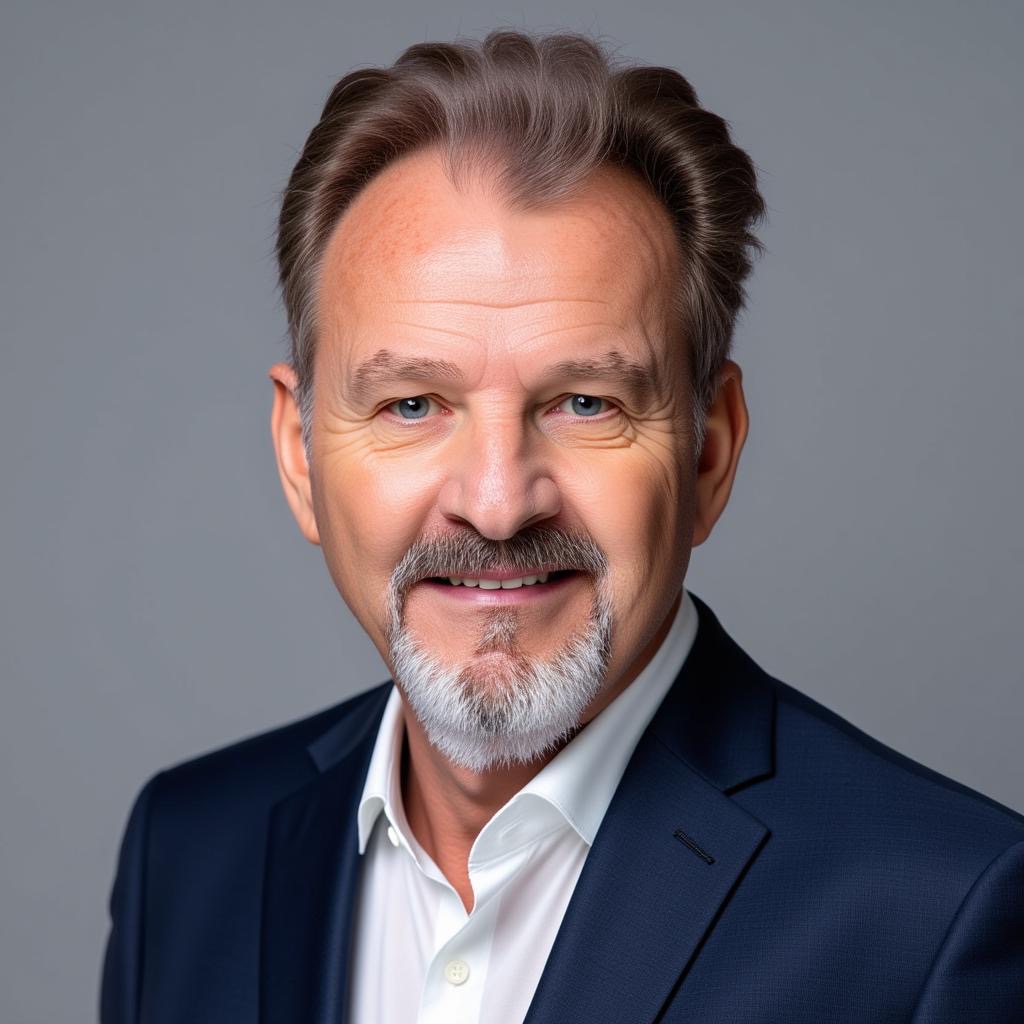
Duncan Brand’s Intrinsic Leader has trained over 5,000 leaders globally by connecting leadership development with hiring, succession planning, and performance management across multiple industries and continents.
Origin story or context
Duncan Brand built his leadership consulting practice on lessons learned during organizational crises. He managed talent functions at the Federal Reserve Bank during the 2008 financial collapse and at a healthcare organization during the COVID-19 pandemic. These high-pressure environments demonstrated how organizational systems either maintain stability or break down under stress.
Brand observed that organizations with integrated talent systems navigate disruption more effectively than those with disconnected programs. Leadership development connected to succession planning creates deeper bench strength, while performance management aligned with development goals produces more consistent results. He founded Intrinsic Leader to address what he identified as a recurring problem: organizations investing in leadership training without connecting it to broader talent systems.
Product or approach
Intrinsic Leader’s methodology treats leadership development as one component of an integrated approach including recruitment, succession planning, and performance management. The company reports Brand has trained over 5,000 leaders and managers across multiple continents, with reach extending across technology companies, healthcare systems, financial institutions, utilities, aerospace firms, government agencies, and philanthropic organizations.
This global scope provides comparative data on how different sectors and regions approach talent development, according to the company. Brand’s consulting practice examines the entire talent lifecycle: how hiring practices influence leadership pipelines, how succession planning connects to development opportunities, and how performance management systems reinforce or contradict stated development priorities.
His current focus involves working with C-Level executives to establish what he describes as a “talent mindset,” shifting executive thinking from viewing employees as resources to understanding people as organizational capability foundation.
Challenges and how they were solved
Throughout his career, Brand faced challenges elevating Human Resources from administrative function to strategic business partner. This perception problem affects how executives allocate resources and attention to talent initiatives.
Brand overcame this obstacle by building quantifiable business cases using metrics to demonstrate how talent investments affect organizational outcomes, the company reports. He draws on extensive cross-industry experience to provide credible examples, making a data-driven approach essential for gaining executive support for integrated talent systems.
The challenge of connecting disconnected organizational functions required comprehensive understanding of how talent processes interconnect. Brand’s experience working in recruitment, leadership development, succession planning, and performance management across his career allows him to identify where systems break down and why isolated interventions fail, according to the company.
What sets the brand apart
Brand’s differentiation stems from his comprehensive understanding of how talent functions interconnect and his crisis-tested experience. His work spans all aspects of talent management rather than specializing in isolated functions, providing systems view that identifies breakdown points and implementation failures.
The cross-industry experience spanning finance, healthcare, government, aerospace, and other sectors provides evidence that integrated talent systems work regardless of sector specifics. Brand uses this data to build cases for executive investment in comprehensive approaches rather than isolated training programs, the company says.
His “people first, employee second” framework distinguishes between treating workers as human beings versus job functions, embedded throughout organizational culture by aligning policies, processes, and leadership behaviors with stated values.
Growth plan or vision
Over the next two to five years, Brand focuses on establishing integrated talent systems and embedding people-first mindset at executive level across organizations worldwide, according to the company. Rather than delivering isolated training programs, his work targets structural change where talent systems connect across organizational functions.
The vision involves moving beyond corporate rhetoric about valuing people to structural alignment where policies, processes, and leadership behaviors reflect stated values. Brand aims to demonstrate that this integrated approach produces measurable organizational outcomes that justify executive investment.
What to watch next
Brand’s ability to scale integrated talent systems across diverse organizations will test whether the model translates effectively beyond companies already committed to structural change. Success depends on demonstrating measurable business outcomes that convince executives to invest in comprehensive approaches versus isolated training programs.
The cross-industry applicability provides advantage, but implementation requires sustained organizational commitment to restructuring disconnected processes. Whether Brand’s crisis-tested methodology gains broader adoption will depend on documented results from current client organizations.
Duncan Brand’s Intrinsic Leader has trained 5,000 leaders globally across technology, healthcare, finance, government, and other sectors. His methodology connects leadership development with hiring, succession planning, and performance management based on experience managing talent during the 2008 financial crisis and COVID-19 pandemic. Current work emphasizes embedding talent mindset at executive level through structural alignment of policies, processes, and leadership behaviors rather than isolated training programs.
