
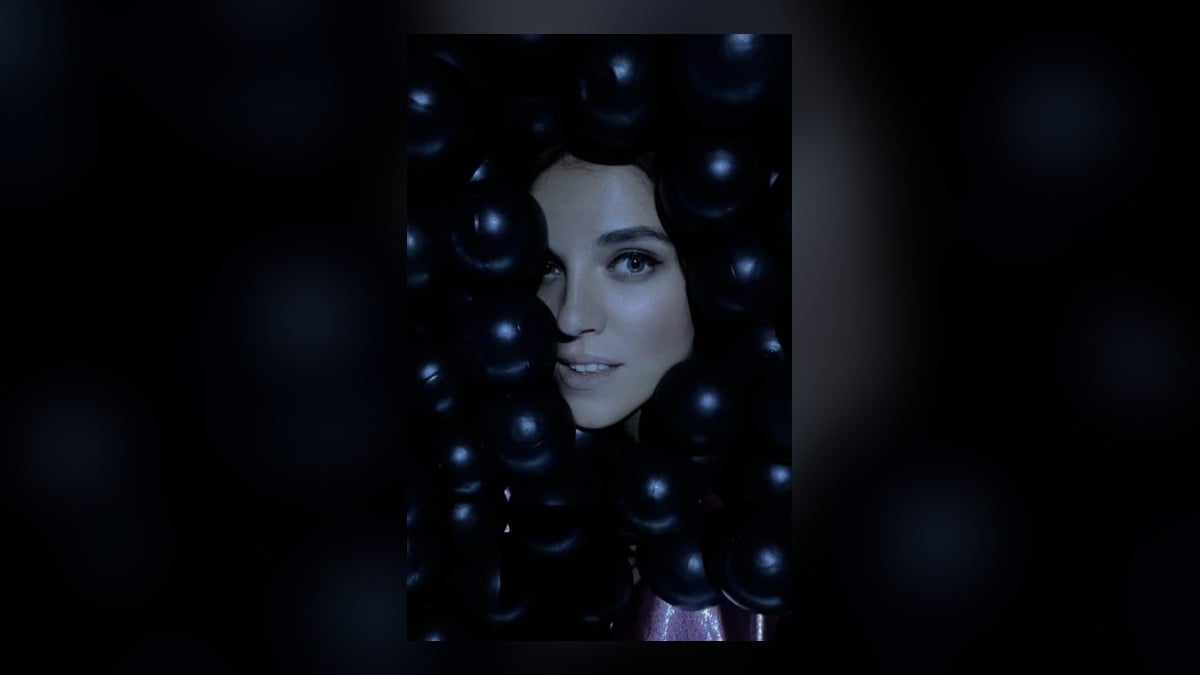
For acclaimed vocalist and innovator Angelina Statyeva, artistic identity is not formed in isolation—it is shaped by geography, culture, and the subtle forces of environment. Reflecting on her upbringing in Odesa, Ukraine, Statyeva describes her early surroundings as “deeply eye-opening,” a place where diversity was not an abstract idea, but a daily lived experience.
“Odesa is a port city, a crossroads,” she explains. “Growing up there, you are constantly exposed to different languages, traditions, and emotional expressions. It teaches you to listen—not just to music, but to people.”
Statyeva often draws an intriguing comparison between Odesa and Los Angeles—two cities bound by their relationship to water. “Just as access to the ocean shaped Los Angeles into a cultural melting pot, the Black Sea played a similar role in Odesa. Water connects, it invites movement, and it brings people together. That flow of cultures becomes part of your identity whether you realize it or not.”
This early immersion in multicultural energy would later become a defining influence in Statyeva’s artistic philosophy. Rather than adhering strictly to traditional vocal schools, she began to explore how emotional nuance, cultural diversity, and sonic experimentation could coexist within a single performance.
The result was her groundbreaking New Age Operafusion method—a vocal approach that blends classical operatic technique with contemporary expression and cross-cultural tonalities. “I never wanted to separate traditions,” she says. “I wanted to let them speak to each other. Operafusion is about unity—of sound, of emotion, of human experience.”
Her method is not only a technical innovation but also a philosophical one. It challenges rigid boundaries between genres and invites performers to draw from a broader emotional and cultural palette. In many ways, it mirrors the dynamic environment of her childhood: layered, fluid, and constantly evolving.
Today, Statyeva’s work is influencing a new generation of vocalists who are seeking authenticity beyond convention. Her teaching emphasizes emotional intelligence as much as vocal precision, encouraging singers to embrace their own backgrounds as a source of artistic strength.
Looking back, she sees a clear line between her beginnings in Odesa and her present achievements. “Everything started there,” she reflects. “The openness, the diversity, the sense that art belongs to everyone—that’s what shaped me. Operafusion is simply my way of continuing that conversation.”
As her influence continues to expand internationally, one thing remains certain: Angelina Statyeva’s voice carries not only sound, but the echoes of a city where cultures meet, and where creativity flows as freely as the sea.
