
Key Takeaways
- Match your icy strait hoonah wildlife tour to your ship’s port time before anything else. A two-hour guided option can work well on a short stop, while a three-hour road-based tour gives more room for wildlife watching without feeling rushed.
- Ask direct questions about ship return, group size, and road access before booking an icy strait hoonah wildlife tour. Those three details tell you fast whether you’re looking at a thoughtful local outing or a crowded bus tour.
- Set honest expectations for wildlife on an icy strait hoonah wildlife tour. Brown bears, eagles, deer, otters, and salmon are all possible, but no real guide should promise animals on command.
- Choose guided wildlife tours led by people with lived knowledge, not memorized scripts. The best outings pair animal spotting with clear cultural context, quiet stops, and stories that come from years on the land.
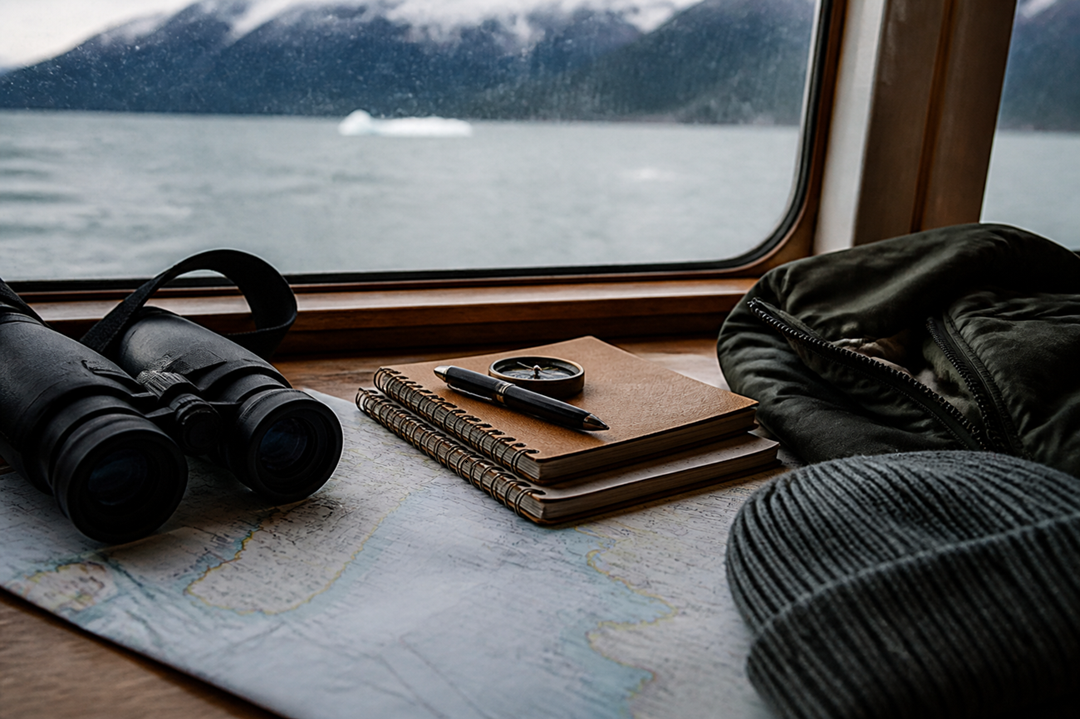
- Pack for comfort, not fashion, on any icy strait hoonah wildlife tour. Layers, rain gear, steady footwear, binoculars, and any daily medications will do more for your day than extra camera gear.
- Use reviews and permits to judge quality, then read between the lines. The strongest icy strait hoonah wildlife tour usually gets praised for timing, calm pacing, sharp wildlife eyes, and a guide who knows when to stop and simply watch.
Miss the choice here, — the whole port day can feel flat. Cruise guests usually get just a few hours to decide between a packed bus, a rushed stop-and-go outing, or an icy strait hoonah Wildlife Tour that actually gives them room to watch, listen, and notice what’s happening outside the window. That’s not a small difference. On a good wildlife drive, ten quiet minutes at the right roadside pullout can beat an hour of constant motion—especially for travelers who came north hoping for bears, eagles, salmon, and a sense of the place rather than another checkbox excursion.
But here’s the thing. The best tour isn’t the one with the loudest sales pitch or the longest list of promised sightings (honest guides don’t talk that way). It’s the one built around timing, road access, group size, — a guide who knows what fresh tracks mean, where animals cross after rain, and when to stay still. Older cruise passengers tend to care about that more than hype—and they’re right to. A van with clear sightlines, short walks, and real local judgment will usually beat a crowded coach every time. The hard part is knowing how to tell the difference before port day arrives.
Why an icy strait hoonah wildlife tour matters more now
A couple steps off the ship, two passengers usually start the same debate: book the big bus, or find a smaller guided drive that still gets them back with time to spare. That choice matters more this season because port calls feel tighter, buses fill fast, and people want more than a quick photo through glass.
What cruise passengers are trying to sort out before port day
Most guests aren’t just picking from tours. They’re sorting out three things at once—time, trust, and what they’ll really see on the road. A smart checklist helps:
- Group size: 8 to 10 people usually see more than 40 on a coach
- Route: land access near stream, tree line, and wilderness edge beats a canned village loop
- Guide depth: ask if the guide knows animal habits, weather shifts, and local road patterns
For readers comparing options, icy strait hoonah Wildlife Tour is the phrase worth searching because it points to the exact kind of land-based outing they’re trying to find.
Why small-group land tours are getting more attention this season
Small groups get noticed for a simple reason. They can stop fast—when a bear crosses, when eagles drop near a stream, when light breaks over a hill. Big coaches can’t do that. In practice, older travelers also like the easier pace (less standing around, less crowd noise).
What “real local insight” should actually mean on a wildlife tour
Real local insight isn’t canned trivia about a grand canyon, a cave, or some other place pulled into the script. It means the guide can explain why animals use one valley, one muskeg, one creek—then tell you what changed after last week’s rain. That’s the difference. And passengers feel it right away.
How to match an icy strait hoonah wildlife tour to your port schedule
Port time decides everything. The right icy strait hoonah Wildlife Tour should fit the ship’s clock first, because even the best guided road drive through wild country feels wrong if guests spend the whole ride watching the time instead of the tree line, stream edge, and bear ground near the park road.
Short port calls: what fits in two hours without feeling rushed
For a short stop, a two-hour outing works best if the meeting point is easy to reach and the route stays close to strong wildlife areas. That kind of plan gives guests enough time to watch for deer, eagles, and bear movement without turning the ride into a frantic chase.
- Best for: port calls under 5 hours
- Works well if: walking is limited and loading is quick
- Smart check: ask how long the roundtrip drive takes before the first photo stop
Longer stops: when a three-hour wildlife tour makes better sense
With a longer day in port, three hours usually gives the better experience — more road, more quiet time, and more chances to stop where animals actually cross. In practice, that extra hour often makes room for the parts people remember: a slow scan over muskeg, a pullout near salmon water, maybe a black bear on the hill (if luck shows up).
The ship-return question every independent tour guest asks
The answer should be plain.
Any guest comparing an Icy strait alaska Wildlife Tour ought to ask two things: how much buffer time is built in, and who tracks ship schedule changes. If the reply is vague, move on. Fast.
What wildlife you can realistically expect on an icy strait hoonah wildlife tour
What should a traveler honestly expect to see on an icy strait hoonah Wildlife Tour? Not a zoo. Not animals on cue. A good day on the road can bring real, wild sightings — and a quiet day can still teach a lot about how guides read tracks, salmon movement, tree lines, and the edge of creek beds.
Brown bear viewing: when sightings rise and what guides watch for
Brown bears show up more often when salmon stack into fresh water, usually mid to late season, and sharp guides watch the road, stream mouths, scat, turned rocks, and bird activity before they ever stop the van. An honest icy strait Wildlife Tour looks for patterns, not miracles.
- Best odds: near salmon streams and low valley crossings
- Guide cues: ravens circling, fresh prints, broken grass
- Reality check: one bear at distance still counts as a strong sighting
Bald eagles, deer, otters, salmon, and other wild sightings along the road
Some days, the smaller moments carry the trip. Bald eagles in a grand spruce canopy. Deer slipping across a hill road. Otters working a narrow channel. Salmon pushing upstream with that hard, single purpose. Even without a bear, an icy strait hoonah Wildlife Tour can feel rich fast (especially for guests who keep binoculars ready).
Why no honest guide promises animals on command
That’s the plain truth. Wildlife tours work best when guests book for the full wilderness experience, not just one photo. If a guide guarantees bears on command, that’s a warning sign — wild country doesn’t work that way, and good guides won’t pretend it does.
It’s not the only factor, but it’s close.
What separates a strong icy strait hoonah wildlife tour from a crowded bus excursion
On busy port calls, a standard bus can carry 30 to 50 guests, while a small van often carries 10 or fewer—and that gap changes what people actually see. For travelers comparing an icy strait hoonah Wildlife Tour, the best test isn’t the brochure photo. It’s how the tour works on the road, at each stop, and in those quiet five-minute stretches when animals might step out of the tree line.
Group size, vehicle type, and why sightlines matter for photos
Small groups win. A van can pull off at the edge of a quiet road, hold position, — let every guest look out both sides without fighting for one window. That’s a better setup for photos of bear, deer, eagle, or even a fast cross-valley movement near a stream than a tall bus with fixed seats and narrow sightlines.
- 10 or fewer guests usually means faster stops
- Lower vehicle height often gives cleaner photo angles
- Shorter boarding time leaves more time to watch
Guided storytelling vs. canned narration on standard tours
A strong Hoonah Wildlife Tour should sound like a person who knows the country, not a script read over a speaker. Real guides connect what guests see—salmon streams, muskeg, old growth, a historic road cut through the wilderness—to how animals move, feed, and avoid noise.
The value of road access, quiet stops, and time to watch
Here’s what most people miss: wildlife viewing isn’t a chase. It’s patience. The better icy strait hoonah Wildlife Tour builds in quiet stops, slow drive sections, and enough wait time for a brown bear to appear near the canopy line or along a creek. That’s where the real trip starts.
How to judge guide quality on an icy strait hoonah wildlife tour
The biggest myth is that a friendly guide with a polished talk is enough. It isn’t. On an icy strait hoonah Wildlife Tour, the best guide may sound plain at first—then spot fresh tracks on a road edge, read a shift in bird noise, — change the drive before anyone else sees why.
Questions to ask before booking any guided wildlife tour
Before booking, ask direct questions. Short ones. Useful ones.
- How long has the guide worked in the field?
- Do they live there year-round or just seasonally?
- Can they explain animal behavior, not just point and name?
- What happens if wildlife is near the van or crosses the road?
A solid operator should answer without dancing around it. A good sign is a clear page for a Chichagof Wildlife Tour that talks about real conditions, not grand promises or safari-style hype.
Why lived experience beats memorized scripts
Facts are cheap. Field sense isn’t. A guide who has spent 20 or 30 seasons watching a tree line, a creek cross, or an old mine hill knows more than someone repeating park-style trivia about cave walls, canyon views, mammoth country, yosemite, banff, or mont blanc. Different places. Different animals. Real guides know what matters right there.
Cultural context, safety sense, and reading animal behavior in the field
But here’s the thing. The strongest guides bring three skills at once—local history, safety judgment, and animal reading. They know when a bear is feeding, when it’s alert (that’s a different look), and when guests need to stay still. That’s what turns a guided wilderness outing into a smart one. Not flash. Judgment.
Sounds minor. It isn’t.
What to bring and how to prepare for an icy strait hoonah wildlife tour
A couple steps off the ship, one guest is warm in a fleece and waterproof shell, another is chilled through in a cotton sweatshirt before the van even leaves the road. That gap matters on an icy strait hoonah Wildlife Tour. A cool port day can shift fast—mist, wind, then bright light bouncing off water and tree line.
Clothing layers, rain gear, and footwear that work on a cool port day
Start with clothing that works in a damp, cool wilderness setting, not on a grand city walk.
- Base layer: light wool or synthetic
- Mid layer: fleece or light insulated jacket
- Outer layer: hooded rain shell
- Footwear: closed-toe shoes with grip for short stops on gravel, mud, or slick edge areas
Skip jeans if rain is in the forecast.
Once wet, they stay wet.
Camera, binoculars, medications, and other smart essentials
Wildlife often appears without warning—a bear near a stream, eagles in the canopy, deer crossing a hill road—so guests should keep cameras ready, not packed deep in a day bag. A small-group Icy Strait Hoonah wildlife tour for photographers usually works better for quick stops and cleaner sight lines.
- Binoculars
- Spare phone battery
- Personal medications
- Lip balm and light gloves
- A small bottle of water
Mobility, comfort, and what older cruise travelers should check ahead of time
Comfort comes from asking plain questions before booking. How high is the van step? How long are the stops? Is there a handhold? Most older travelers do well on a guided drive with short walks, — they shouldn’t guess. They should check.
The best way to compare and choose an icy strait hoonah wildlife tour
Picking an icy strait hoonah Wildlife Tour isn’t hard, but lazy comparisons lead to bad port days. The smart move is to judge the road plan, permit status, return timing, and van count—not the prettiest sales copy or the word adventure thrown around like confetti.
A simple checklist for reviews, permits, timing, and group size
Start with four checks, fast and plain:
- Reviews: Look for 20+ recent comments that mention wildlife, guide knowledge, and ship return.
- Permits: Ask if the operator runs on approved public land access.
- Timing: A good guided drive leaves margin for traffic, dock lines, and weather.
- Group size: Ten guests beat forty every time—better views, better questions, less waiting.
For shorter port calls, some passengers compare a full wilderness drive with a 2-hour Icy Strait wildlife tour and find the shorter format works better if ship time is tight.
Red flags that should make passengers skip a wildlife tour
Bad signs show up early. Skip any icy strait hoonah Wildlife Tour that promises guaranteed sightings, hides pickup details, or packs guests into a bus while calling it small group (that trick still shows up). If the route sounds more like a park loop than a true wilderness road drive—more point-and-shoot than actual animal search—that’s another warning.
The kind of tour that leaves people with more than photos
The best trips do more than chase a bear at the edge of a tree line. They give people context—how animals move, why salmon runs matter, what old roads cut through, what changed, what didn’t. That’s the difference between a forgettable tour and one people talk about long after the ship sails.
Simple idea. Harder to get right than it sounds.
Frequently Asked Questions
What is an icy strait hoonah Wildlife Tour?
An icy strait hoonah Wildlife Tour is a guided shore trip focused on seeing wild animals from land while learning how the area actually works beyond the port shops — main road. Guests usually ride in a small vehicle, stop at creeks, forest edges, and open viewpoints, and watch for bears, eagles, deer, otters, and salmon. The best ones also include local history and practical wildlife reading—not just a driver pointing out a tree line.
Are wildlife sightings guaranteed on an icy strait hoonah Wildlife Tour?
No, and any operator who talks like they can promise wild animals is selling the wrong idea. Bears, eagles, and deer move on their own time, but a good icy strait hoonah Wildlife Tour improves the odds by using local road access, watching salmon streams, and reading fresh signs like tracks, scat, and bird activity.
Is a land-based wildlife tour better than a large cruise-line bus tour?
Usually, yes—especially for people who want to ask questions, take photos, and not get rushed through every stop. Smaller guided groups can pull over fast, spend a few extra minutes at a creek crossing, and adjust to what the day is giving them. That’s a big difference from a packed bus where half the group is still trying to get their camera out.
How long does an icy strait hoonah Wildlife Tour usually last?
Most run about 2 to 3 hours, which fits a port stop without turning the day into a sprint. That’s enough time to drive through forest road sections, scan shoreline points, cross a few likely wildlife areas, and still leave room for short walks and photo stops. Longer isn’t always better if ship schedules are tight.
Worth pausing on that for a second.
What animals might guests see on an icy strait hoonah Wildlife Tour?
The main draw is brown bears, but that’s not the whole story. Guests may also see bald eagles, Sitka black-tailed deer, ravens, shorebirds, otters, mink, — salmon moving through streams. On some days the bear show steals it; on others, eagle activity along a valley creek or a quiet forest edge ends up being the moment people remember.
Is the tour suitable for older travelers or guests with limited mobility?
In most cases, yes. A well-run icy strait hoonah Wildlife Tour is mostly a drive with short, easy stops, so it works for travelers who don’t want a hard hike but still want real wilderness time (and a fair shot at photos). Guests should still ask about step height, walking surfaces, and how much standing is involved.
Will an independent wildlife tour get guests back to the ship on time?
That’s the question smart travelers ask. A serious guided operator builds the day around ship timing, not wishful thinking, and should have a clear record of returning guests with time to spare. If that answer sounds vague—move on.
What should guests bring on an icy strait hoonah Wildlife Tour?
Bring a waterproof layer, a warm top, walking shoes with grip, and a camera or phone with extra battery. Binoculars help a lot. A small day bag is enough; this isn’t a helicopter run, canyon trek, cave walk, or mountain climb, so guests don’t need heavy adventure gear.
When is the best time for an icy strait hoonah Wildlife Tour?
Mid-summer through early fall is often strongest for bear activity because salmon draw animals into visible feeding areas. But here’s what most people miss: weather, tide, light, and how fresh the fish movement is can matter more than the month printed on the calendar. Some of the best viewing happens on gray, damp days when the forest feels still and the streams come alive.
The short version: it matters a lot.
What makes one wildlife tour worth booking over another?
Small group size. Real local knowledge. A guide who can explain why a bear uses one creek and ignores the next one over—that’s what separates a real icy strait hoonah Wildlife Tour from a generic drive. If a tour sounds padded with buzzwords like safari, grand adventure, canopy views, historic stops, or northern lights style marketing, it’s probably trying too hard.
The right choice usually comes down to three things: time, trust, and the kind of experience a traveler wants once they step off the ship. A short port stop calls for a tour that moves with purpose and still leaves breathing room. A longer stop gives guests time to sit quietly, watch the roadside, and let a guide read the country instead of racing past it. That difference matters.
Just as important, a good wildlife outing doesn’t sell certainty where none exists. Honest guides won’t promise bears on cue—what they offer is judgment, timing, and the kind of lived knowledge that can’t be copied from a script. Small groups help too (especially for photos), because people can actually see, ask, listen, and wait. That’s where a strong icy strait hoonah Wildlife Tour separates itself from a crowded bus ride.
Before booking, travelers should pull up the port schedule, confirm return timing, check group size, and read reviews for signs of real field experience—not canned commentary. Then book the tour that fits the day, not the brochure. That’s how passengers give themselves the best shot at wildlife, good stories, and a port stop worth remembering.
